 There are certain steps that dentists follow to ensure the safety and quality of dental crown treatment. This review discusses the steps that are typically involved with the dental crown procedure.
The dental crown procedure: A step-by-step guide
The dental crown procedure typically involves an evaluation of the damage, followed by trimming the tooth and the placement of a temporary crown. A dental impression is also taken, which is used to create the permanent crown in a lab. Once the permanent crown is ready, the patient can have the temporary dental crown replaced with a permanent one.
Assess the severity of the damage
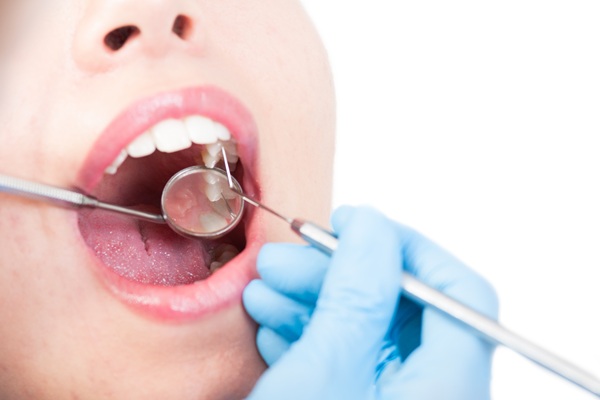
One of the first things that take place during the consultation visit is an oral examination. This is done to assess the severity of the damage to each tooth that may need a dental crown. Depending on the type and severity of the damage, the dentist can recommend a dental crown or another restorative treatment that may be a more ideal solution. The assessment also allows the dentist to plan the best way to prepare the tooth.
Trim the tooth to allow for a proper crown fit
In most cases, the tooth receiving the crown is trimmed slightly to ensure a comfortable fit, so it is the ideal size and shape for the dental crown. Trimming the tooth should not cause much, if any, discomfort and does not take long to complete. In fact, most patients can have the tooth prepared for the dental crown during the first visit.
Order a dental impression that is sent to the lab
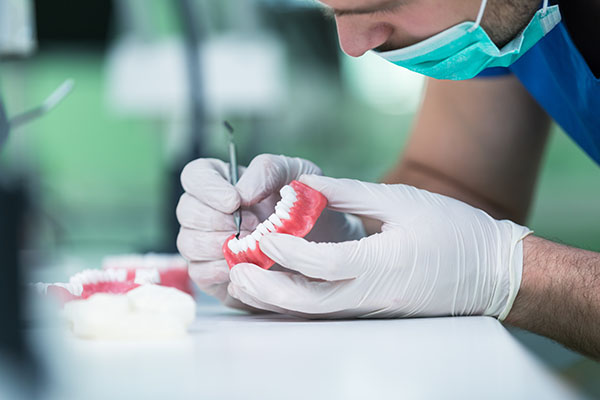
The next step in the process is the dentist taking a dental impression of each tooth that is receiving a dental crown. This impression is used to customize the crown(s) in a laboratory. Same-day dental crowns may be available in certain instances, in which ceramic crowns are used.
Place the temporary crown over the tooth
The dentist can place a temporary crown over the tooth while the patient waits for their lab-created permanent crown. The temporary crown should fit comfortably and protect the tooth until the permanent one is ready.
Replace the temporary with a permanent dental crown
The last step in the dental crown procedure is to replace the temporary crown with the permanent dental crown. This can take several weeks. The placement of the permanent crown should not cause any notable discomfort, and the adjustment period to get used to the look and feel of the new crown is not long for most patients.
Start the dental crown process with an initial consultation
If you have a weakened, decayed, or damaged tooth that you feel may benefit from a dental crown, then we encourage you to contact our dental team today to schedule a convenient time to come in for a consultation visit. We can help you decide on the best way to restore the health and appearance of your smile.
Request an appointment or call Gledhill Dental at 509-800-8410 for an appointment in our Kennewick office.
Related Posts
A dental crown, custom-made and designed to fit snugly over a tooth, addresses a range of dental concerns, from tooth replacement and protecting a weakened tooth to enhancing the appearance of your smile. Whether dealing with decay, damage, or cosmetic imperfections, this restoration offers a tailored solution. With its many applications, the dental crown is…
Tooth loss can affect how you eat and speak, as well as how your smile looks. Restorative solutions, like implant crowns, are important for maintaining your dental and overall health. Implant crowns are strong and resemble natural teeth, blending well with surrounding teeth. They imitate the structure of real teeth, providing long-term benefits for those…
Dental crowns are often costly and require that a dentist remove a significant amount of the tooth's structure to place them. Read on to learn about dental crown alternatives. Other treatment alternatives are sometimes available that are either less expensive or significantly less invasive. Dental crowns are frequently used to restore severely damaged teeth.The following…