Removing the Bacteria Beneath Tartar for Oral Hygiene
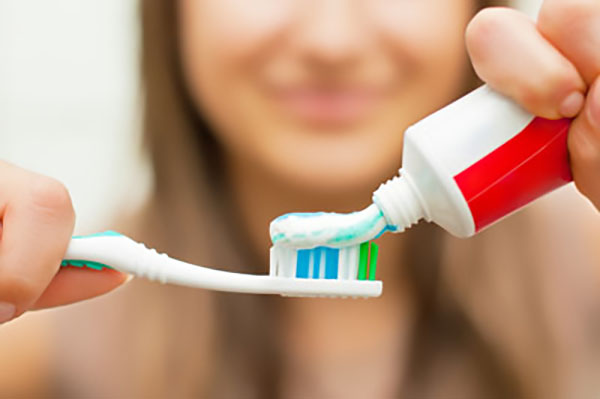
Wondering how to remove oral bacteria so you can have better oral hygiene? It really is a good idea for you to do everything possible to support your good oral health. When you take good care of your teeth and gums, you will not have to think about and choose one or more of the many dental treatments available that are specifically used to improve oral health. You simply get to enjoy all of the benefits that come with having a healthy mouth. When your mouth is healthy, it is also very likely that your overall general health is in good shape, too.
The effects of bacteria on teeth
A mouth is an ideal place for bacteria to live as they thrive in moist, dark environments. Bacteria also feed off of sugars, which means that those who consume sugar frequently will often need to provide themselves with additional oral care in order to avoid any dental problems related to bacteria. When bacteria are not removed in a timely manner, they will begin to stick to the teeth, creating a sticky substance known as bacterial plaque. This bacterial plaque will sooner or later turn into tartar and will cause tooth decay and can even lead to a gum disease diagnosis.
According to the American Dental Association, plaque stickiness makes the acids from foods and drinks stick to the teeth’s surface, which gives the bacteria time to break down the tooth’s enamel. This is why many dentists recommend that their patients brush their teeth after every time they eat, as the teeth begin to become vulnerable within 20 minutes after consuming food.
Removing bacteria from the mouth
When bacterial plaque is not removed in a timely manner it will turn into tartar, also known as calculus, which is much harder to remove from the teeth. If tartar is allowed to build up on the teeth, it gives bacteria a place to live. And if tartar is not removed promptly, it will then turn into gingivitis, the first of two stages of gum disease. So what is the ideal way to remove the bacteria beneath tartar? Brush correctly using a fluoridated or tartar-control toothpaste within half an hour after eating, floss often and get a professional tooth cleaning at least once a year.
Need to make a dental appointment?
Need to make an appointment so you know exactly what your oral hygiene status is? The longer you wait to have your oral health checked by a dental professional, the worse any oral issues you currently have are going to be. It is much easier to treat new oral issues than it is for any issues that have been ongoing. We have a fantastic and caring team of dental professionals who can answer any of your oral hygiene questions, so please do not hesitate to contact us if you have a question you need answered. Talk to one of our dental health professionals today.
Are you looking for oral hygiene information in the Kennewick area? Get more oral hygiene information at https://www.gledhilldental.com.
Request an appointment here: https://www.gledhilldental.com or call Gledhill Dental at (509) 800-8410 for an appointment in our Kennewick office.
Check out what others are saying about our services on Yelp: Read our Yelp reviews.
Related Posts
One of the most common questions that dentists receive about denture care from new denture wearers is if they can keep them in all the time. The short answer is no. Understandably, you may not feel quite like yourself when you take them out, but proper denture care involves removing them once a day for…
Are you considering getting dentures, or have you recently started wearing them? Maintaining good oral hygiene with dentures is essential for overall health and well-being. However, it is common to have questions about how to properly care for your dentures to protect your oral health.Like natural teeth, dentures need regular cleaning to prevent plaque buildup…
Whether you can use toothpaste for denture care is a common question many people wonder when they first get dentures. The short answer to this question is no; you cannot. But why is it that you can’t use toothpaste on dentures? Let’s find out.Dentures are made of a less sturdy material than your natural teeth.…
It can be easy to fix broken dentures, especially with the assistance of a dental professional. Further, acting fast when it comes to repairs can help these dental prosthetics last longer, restore their functionality, and improve your overall comfort. Check out this guide on denture repair to get started.Dentures are known to be durable, lasting…