3 Reasons Adjusting to New Dentures Can Be Quite Simple
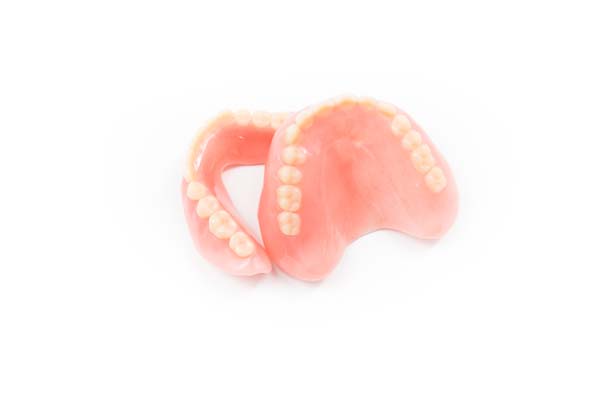
When you begin wearing dentures, you may experience discomfort for a short period while you are adjusting. However, this process does not have to be complicated. There are many ways to make the adjustment more manageable and more enjoyable.
Why adjusting to new dentures is simple
Here are three reasons you can easily get through the first few weeks of wearing dentures.
1. Assistance is only a phone call away
If you find adjusting to new dentures difficult, remember that you can always call or see your dentist if you experience issues for longer than expected. Adhere carefully to the oral hygiene guidance provided at your dental checkups, and schedule a visit with your dentist if you feel you need your dentures adjusted for a better fit.
When you pick the new false teeth up from your dentist, be proactive and ask for a few tips on getting through any initial trouble. Then, attend any follow-up appointments scheduled in addition to your regular dental checkups.
2. A little patience can go a long way
As you embark upon having dentures prepared for your mouth, understand that getting used to the feeling of wearing dentures will take time. Speaking and eating are more difficult while adjusting to new dentures and may initially seem a little embarrassing. However, remember that wearing false teeth will become second nature with time and patience.
Minor soreness is normal in dental patients with new dentures. More severe irritation may warrant a trip back to the dentist for an adjustment. Removing dentures every few hours during the assimilation phase can help with any pain, so try wearing them for only short periods as you get used to them. Additionally, the American Dental Association recommends taking small bites of soft foods for those adjusting to new dentures. Once you are comfortable with softer foods, you can slowly incorporate more challenging to chew provisions into your diet. You may want to eat most of your meals at home while you acclimate to eating with dentures.
3. There are various products available to help
Not all dental adhesives are created equally. Since every person is different, dental adhesives that work for one patient may not work well for another. When you retrieve your dentures from the dentist, request recommendations for several creams or adhesives to try while adjusting to your new dentures. If one serum does not help you with your false teeth after a few applications, try another one of the suggestions made by the dental office. After trying several and giving yourself some time to acclimate to the functionality of dentures, call your dentist if you still feel uncomfortable. Chronic discomfort could mean that your dentures need to be refitted by a dental professional.
Tips for new denture wearers
As you adjust to your newly improved smile, there are some important steps you should take to keep your mouth more comfortable while protecting your new dentures. Even as the initial discomfort wears off, it may still be necessary to adjust your diet to accommodate these dental appliances. Avoid biting directly into hard, crunchy, or sticky foods, such as:
- Raw carrots, apples, and corn on the cob
- Certain chips or crackers
- Hard or sticky candies
- Nuts
- Tough, crusty bread
Healthy produce can be cooked or diced into bite-size pieces instead. Other options should be limited or avoided altogether. Seeds and popcorn can also be problematic because tiny particles can become lodged between dentures and the gum line, leading to irritation and poor fit. Avoid these as well.
Dentures should be cleaned properly on a daily basis using tools and products that are specifically designed for these types of appliances. Hard toothbrushes and traditional toothpaste can corrode the materials over time. When they are not being worn, dentures should be properly stored according to your dentist's instructions to prevent them from becoming dry and brittle. Otherwise, they are more likely to break or become damaged.
When removing dentures, take care to cushion any nearby hard surfaces with a towel. If the appliances are accidentally dropped, they are less likely to crack, chip, or break on impact.
Conclusion
Remember, your new dentures are meant to improve your quality of life by enabling you to speak and chew comfortably. Any discomfort you experience initially can be overcome with a little patience, experimentation, and a trip back to the dentist if all else fails.
Request an appointment here: https://www.gledhilldental.com or call Gledhill Dental at (509) 800-8410 for an appointment in our Kennewick office.
Check out what others are saying about our dental services on Yelp: Dentures and Partial Dentures in Kennewick, WA.
Related Posts
Are you looking for tips on caring for your dentures? Read on to learn more. Dentures have existed for hundreds of years and offer a fix for teeth loss, restoring appearance and oral function. According to the American College of Prosthodontists, 36 million Americans depend on dentures. These dental prosthetics are often required when several…
Many people resort to using dentures instead of dental implants in managing tooth loss. Dentures may restore the look of the lost tooth or teeth, but they do not compare to implants. Many dentists may recommend shifting to implants. The goals are to increase comfort and improve function. If you want to know how to…
Dentures can help restore your smile and bring back your dental functions. Smiling, speaking, and eating improve with these restorations. Your dentist can help you gain the most out of them. Here are the details on how dentures can restore your oral function. Research reveals that many dental problems can surface. Dentures can replace missing…
There are more tooth replacement options available today than ever before. Still, a large number of patients still opt for traditional dentures. This option offers advantages other tooth replacements do not, and these advantages make dentures a better choice for some patients.What is meant by “traditional dentures”Traditional dentures are custom-made appliances, usually composed of porcelain…