Considering the Pros and Cons of Dental Crowns
 A dental crown can help to fix a variety of dental issues like chipped, cracked, broken, decayed, or deformed teeth. The crown covers up the visible part of the tooth and restores its function. Getting a dental crown placed on a tooth typically involves two trips to the dentist. The first is used to prepare the patient’s teeth for the restoration, and their custom crown is cemented into place during the second visit.
The benefits and disadvantages of getting a dental crown
Dental crowns are versatile restorations that are often combined with other oral prosthetics like dental bridges and implants. Some of the benefits of using crowns to address dental issues include:
- Crowns can be made from a wide range of materials, giving patients lots of options. Some of the more common materials used to make crowns include porcelain, stainless steel, and gold
- Crowns provide a long-term solution to issues they are used to fix. A crown can last up to 25 years with good oral hygiene
- Dental crowns give patients natural-looking results. It is virtually impossible to determine if a porcelain crown is real or not. Crowns are only visible in the mouth when made from materials that cannot be color-matched with the patient’s teeth
- Crowns are made from biocompatible materials so patients do not have to worry about having adverse reactions
- Crowns restore the function of teeth they cover. They are designed to be able to deal with the forces generated when chewing
- Crowns hold the remaining part of a tooth together, preventing the tooth from breaking apart further. They can be used to save severely decayed or damaged teeth because of this
- Crowns do not require any form of specialized care. Good oral hygiene is all patients need to get the most out of their restoration
The few drawbacks associated with restoring teeth with crowns include:
- Crowns cost more than other options like rebuilding a tooth with composite bonding
- Enamel typically needs to be removed from the tooth being treated. This is a permanent alteration that can never be reversed. The tooth will always need a restoration to protect the dentin moving forward
- Getting a crown placed on a tooth can lead to increased teeth sensitivity. This typically goes away after a few days
- Crowns are not as durable as real teeth. They can handle most foods, but dentists advise against eating hard foods like ice with them
The process
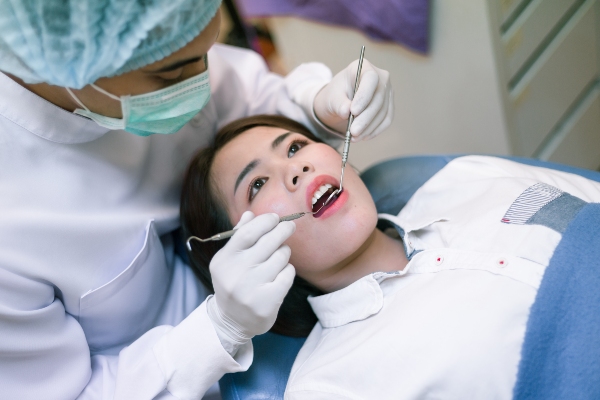
Getting a crown starts with the dentist injecting the patient with an anesthetic so they do not feel pain as enamel is shaved off. An impression of the prepared tooth is taken and forwarded to a lab where crowns are made. The patient gets a temporary crown to complete the first visit. During a second appointment, the temporary crown is replaced with a customized crown.
Repair your tooth with a crown
Need to fix a damaged or deformed tooth? Give us a call or visit our Kennewick clinic to set up an appointment with our dentist.
Request an appointment or call Gledhill Dental at 509-800-8410 for an appointment in our Kennewick office.
Related Posts
A dental crown, custom-made and designed to fit snugly over a tooth, addresses a range of dental concerns, from tooth replacement and protecting a weakened tooth to enhancing the appearance of your smile. Whether dealing with decay, damage, or cosmetic imperfections, this restoration offers a tailored solution. With its many applications, the dental crown is…
Tooth loss can affect how you eat and speak, as well as how your smile looks. Restorative solutions, like implant crowns, are important for maintaining your dental and overall health. Implant crowns are strong and resemble natural teeth, blending well with surrounding teeth. They imitate the structure of real teeth, providing long-term benefits for those…
Dental crowns are often costly and require that a dentist remove a significant amount of the tooth's structure to place them. Read on to learn about dental crown alternatives. Other treatment alternatives are sometimes available that are either less expensive or significantly less invasive. Dental crowns are frequently used to restore severely damaged teeth.The following…