The Difference Between Full Dentures and Partial Dentures
 Full and partial dentures are two types of dental appliances that can improve your smile and ability to eat and speak clearly. While they look similar on the outside, they are very different in design and function. Read on to learn more about the differences between these two types of dentures and what you can expect during each process.
Full Dentures
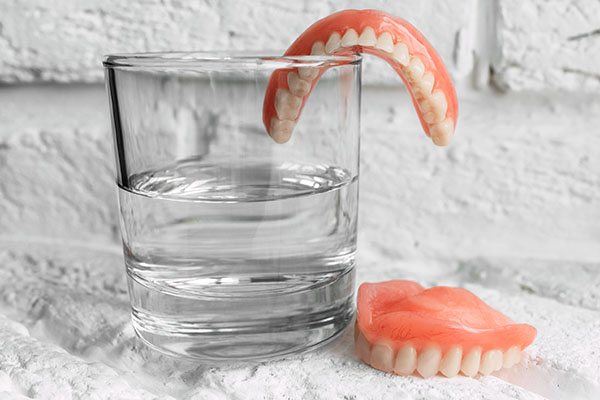
Full dentures, also known as complete dentures, are false teeth that replace all of one’s natural teeth. The artificial teeth are locked into a flesh-colored acrylic tray to simulate the look of gum tissue. The patient will use denture bonding glue to secure the device on their natural gums before consuming food or beverages.
Partial Dentures
Partial dentures are removable appliances that replace missing teeth. They are also called flippers because they flip in and out when opening and closing their jaw. A partial denture can consist of acrylic, metal, or a combination of both materials. These dentures may replace one or multiple teeth, but not all. Instead, they attach to one’s existing teeth with clasps and springs, which support them inside the mouth.
Caring for Dentures
Caring for both types of dentures will be similar. Considering the appliances are removable, cleaning them will be imperative. Doing so will ensure the removal of bacteria, food debris, and bonding residue. One can ensure the cleanliness of their dentures by following these tips:
- Remove dentures after eating. This step is to rinse any debris that may have been trapped under the dentures while eating. If left uncleaned, the dentures can become difficult to manage and leave the patient with bad breath.
- For partial dentures. Brush natural teeth. Patients with partial dentures will still need to care for their natural teeth so they do not deteriorate. Therefore, brushing and flossing are still recommended to preserve their health.
- For full dentures. Use a mouth rinse. For patients without all their natural teeth, preserving their gum health is still important. Therefore, we recommend using a mouth rinse at least twice daily and cleaning their tongue to remove bacteria build-up. Bacteria build-up can lead to periodontal (gum) disease, which can lead to painful consequences.
- Brush the dentures. Use a soft-bristled toothbrush and warm water to remove food debris or bonding residue. If residue is not coming off with water alone, patients may use a denture cleanser—we will recommend this specific product in-office. One should brush their dentures a minimum of twice daily.
- Soak overnight. Dentures need to remain moist to maintain their shape. Therefore, if one removes their dentures at night, they must place them in a solution. Proper storing, solution type, and measurements will depend on the type and brand of dentures one has.
Discover Your Options
Dentures are a great option for those wanting to replace missing teeth. They can fill in the gaps left by missing teeth or replace all of your natural teeth. If you believe dentures will be beneficial for you, contact our office. We can answer any questions you may have regarding each type of denture.
Request an appointment or call Gledhill Dental at 509-800-8410 for an appointment in our Kennewick office.
Related Posts
Dentures are one of the leading tooth replacement options. The process of getting them from consultation to final fitting may look a little different for everyone, depending on factors like the type of denture the patient chooses and any preparation needed. If you are considering dentures, this process overview will give you a general idea…
Dentures are a viable replacement option if you are missing one or multiple teeth. If you are looking for a permanent solution, consider implant-supported dentures. These restoratives are a favorite among dental professionals, as they are known for their durability and long-lasting results. However, patients will need to be able to commit to the somewhat…
Are you looking for tips on caring for your dentures? Read on to learn more. Dentures have existed for hundreds of years and offer a fix for teeth loss, restoring appearance and oral function. According to the American College of Prosthodontists, 36 million Americans depend on dentures. These dental prosthetics are often required when several…