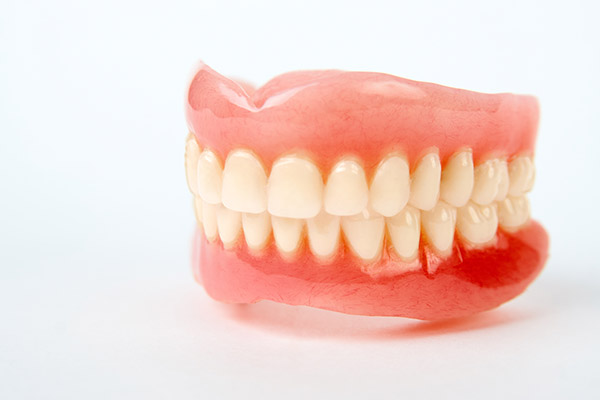
 Individuals who have missing teeth or other dental issues often choose new dentures as a way to resolve these problems and improve the ability to eat and speak properly. Today’s dental technology has made most dentures simple to install and comfortable to wear; however, those who are new to the experience may wonder how long it will take to adjust and feel relaxed. Knowing what to expect can help new users feel more confident and understand how to handle some common issues that sometimes arise along the way.
Receiving new dentures
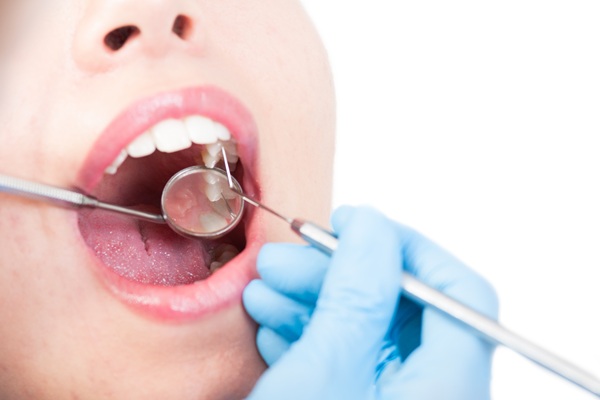
Those who visit a dentist’s office to obtain a new set of dentures will likely have the opportunity to ask questions, ensure the dentures fit correctly and receive a few instructions about how to care for them. These directives may help the wearer in several ways:
- Increased confidence when installing or removing the dentures
- Improved cleaning and care methods for a longer life
- Revised handling techniques to avoid breakage
Before denture patients leave the office, they typically receive a few tips and guidelines about what to expect during the first 24-48 hours of denture wear.
The first days of use
Patients fitted with new dentures may be required to keep them in during the first 24 hours, even when sleeping, to ensure the gums are well-protected. This can be especially important if any teeth were recently extracted or if any infections, such as moderate gingivitis, were treated. New users occasionally find chewing a challenge at first and may want to consume a diet of soft foods for the first day or two.
The first week
Once the gums heal from any kind of treatment connected with new dentures, wearers often find that using sealants and adhesives are a learning experience full of trial and error. They may use too much or not enough, but as the days pass and the gums become less sensitive, this usually becomes simpler.
Some users experience discomfort or the sensation that the dentures are not fitting as well as they could. This may be due to changes in the gums during healing since the tissue can shrink or retract during the process. If this occurs, wearers may want to return to the dentist who fitted the dentures to ensure there are no problems or to have them adjusted.
The first 30-60 days
Over the next several months, any sensitivity in the gums will probably start to pass or vanish completely as the person's mouth adjusts to the dentures. Chewing and speaking typically take practice, especially with those who feel self-conscious about their new teeth. Speaking in front of a mirror at home and even practicing a natural smile may ease these feelings. Those experiencing problems with excess saliva or denture slippage should contact the clinic or the dentist who fitted the dentures for advice or an adjustment.
Check out what others are saying about our dental services on Yelp: Dentures in Kennewick, WA.
Conclusion
Wearing new dentures can be a challenge for those who have never worn a dental appliance before. Knowing what to expect, finding out how fast gums and sore spots heal and learning when to ask a dentist for assistance can make the process simpler.
Request an appointment or call Gledhill Dental at 509-800-8410 for an appointment in our Kennewick office.
Related Posts
Dental professionals aim to preserve the natural tooth structure. Composite fillings, crowns, inlays, and onlays are popular and effective solutions for restoring the function and protection of damaged or decayed teeth while preserving a natural look. Knowing each option's role in preservation can help patients understand the dentist's thought process when curating a treatment plan.Preserving…
When you don't provide the proper denture care for your dentures, you can get a bad case of denture odor. Odors are not only unpleasant to you but also unpleasant for those around you. It may have an effect on your eating habits and oral health as well. It's not unusual for dentures to start…
Dentures are a viable replacement option if you are missing one or multiple teeth. If you are looking for a permanent solution, consider implant-supported dentures. These restoratives are a favorite among dental professionals, as they are known for their durability and long-lasting results. However, patients will need to be able to commit to the somewhat…