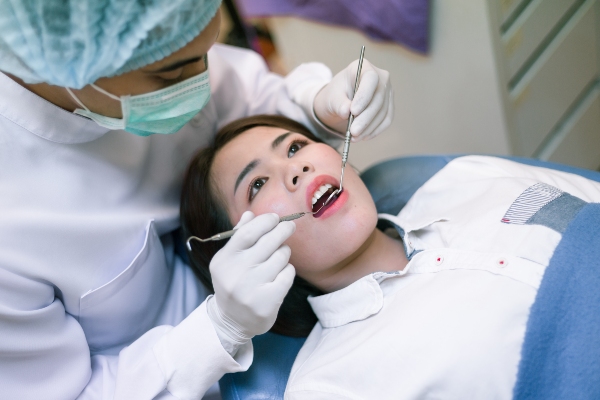
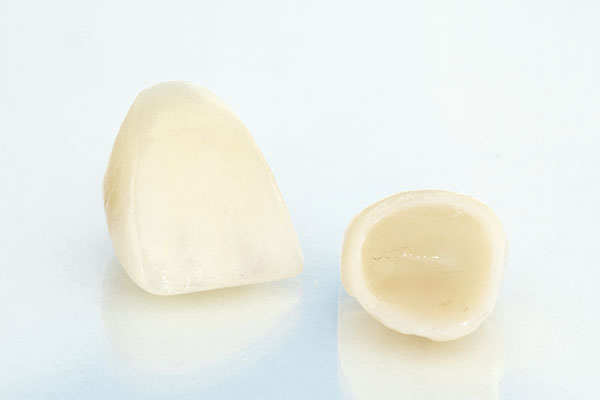
 Dental crowns can restore your natural smile and dental function. Many individuals suffer from low self-esteem due to their teeth condition, but this improves when they get dental crowns. However, these crowns are not inexpensive, and you must keep them in good shape to ensure that they last a long time. Dental crowns will last up to 20 years with proper care.
Tips for caring for a dental crown
The following are five helpful care tips for dental crowns to keep them healthy and attractive for a long time:
Practice good oral hygiene
Though dental crowns are impervious to decay and infection, the tooth structure underneath them is still fragile. As a result, patients must maintain proper oral hygiene at home. Brush the teeth at least twice a day and floss at least once a day. The dentist suggests brushing with fluoride toothpaste to protect the natural tooth structure from further decay and damage. Additionally, patients should always clean their teeth with a soft-bristled toothbrush. Over time, hard bristles will scratch and ruin the porcelain crown.
Stay away from hard and sticky substances
Dental crowns are sturdy and long-lasting, but they are not indestructible. The foods people consume will have a big effect on the restoration's long-term condition. Sticky things like caramels and taffy, for example, can literally displace the crown. Chewing on hard candies, nuts, and other hard foods, on the other hand, can cause chipped or cracked dental crowns. Where at all possible, skip these foods and only eat them sparingly.
Get a mouthguard for bruxism
Patients dealing with bruxism clench or grind their teeth regularly. Over time, this extreme pressure will degrade and harm dental restorations—patients with teeth grinding need to solve the problem before getting a new crown. The dentist can create a personalized mouthguard worn at night to limit the effects of teeth grinding. This device protects the smile by cushioning the teeth and positioning the jaw more favorably.
Stop bad oral habits
Aside from avoiding hard, crunchy, or sticky foods, patients also need to avoid other bad habits that can damage the crown. Chewing on ice, for example, can cause the crown to chip or break. Furthermore, it is not good to rip tags off of products or open containers with the teeth. Teeth are designed for chewing food, not to be used as tools.
Visit the dentist regularly
Routine dental checks and cleanings are necessary for maintaining the condition of the crown. Brushing and flossing at home can help keep bacteria at bay, but routine cleanings are needed to clean hard-to-reach areas and eliminate plaque, tartar, and toxic biofilm. The dentist will examine the crown at these regular appointments to ensure it is in proper working order. If any problems are discovered, they will address them before they become worse.
In conclusion
You can get the best from your dental crown by caring for it adequately. If you have more questions about dental restorations, contact the dental office.
Request an appointment or call Gledhill Dental at 509-800-8410 for an appointment in our Kennewick office.
Related Posts
A dental crown, custom-made and designed to fit snugly over a tooth, addresses a range of dental concerns, from tooth replacement and protecting a weakened tooth to enhancing the appearance of your smile. Whether dealing with decay, damage, or cosmetic imperfections, this restoration offers a tailored solution. With its many applications, the dental crown is…
Tooth loss can affect how you eat and speak, as well as how your smile looks. Restorative solutions, like implant crowns, are important for maintaining your dental and overall health. Implant crowns are strong and resemble natural teeth, blending well with surrounding teeth. They imitate the structure of real teeth, providing long-term benefits for those…
Dental crowns are often costly and require that a dentist remove a significant amount of the tooth's structure to place them. Read on to learn about dental crown alternatives. Other treatment alternatives are sometimes available that are either less expensive or significantly less invasive. Dental crowns are frequently used to restore severely damaged teeth.The following…