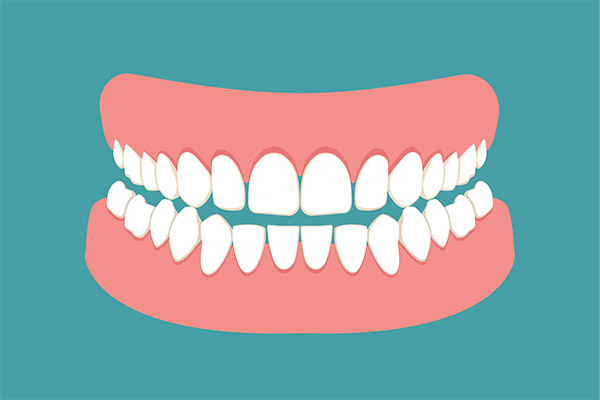
 Traditional dentures can be either full or partial. These are custom-fit restorations that can improve your smile, bite, and chew. Complete and partial dentures are traditional. Understanding how these prostheses vary can help you decide which one can work for you. Here are the differences between complete and full dentures.
Full dentures
These are for people who do not have any teeth left. The upper or lower dental arch may have this issue. Conventional full dentures will be ready for the patient within the first eight to about 12 weeks after dental extraction. These are less invasive prostheses. The gums heal first before the patient can wear them.
Immediate dentures are for people who want to have dental replacements right away. There is no recovery time. The dentist must readjust these restorations as the mouth and gums change while healing. This may be inconvenient, but these prostheses are temporary in most cases.
Partial dentures
If the patient has some teeth left, partial dentures are ideal. These are removable dental restorations. Clasps and a metal framework keep these restorations secure. The fixed form of these prostheses is called dental bridges.
These dental restorations help keep the jawbone and teeth healthy. At first, the patient may find partials strange in the mouth. It may take some time to get used to. The patient will need to wear them as often as possible so that the mouth can adapt to the prosthesis. Once the patient gets accustomed to them, speaking, eating, and smiling will feel more natural.
The significance of full and partial dentures
These are good dental restoration options to consider. The dentist can offer them these restorations. The type will depend on the patient’s dental needs. Wearing them often will allow the patient to feel more comfortable with daily dental activities. It will take constant practice, but over time, it will feel normal.
Modern dentures have high-quality materials. Each one provides an attractive and durable solution to tooth loss. The dentist can help choose which one is most advantageous to the patient. Asking as many relevant questions as possible during consultation can make a difference.
Preparing for dentures
Some people need tooth extraction before getting dentures. This is a common preparatory step for full or partial dentures. There will be bleeding after extraction. Biting down on a sterile gauze pad can stop the bleeding. Doing the same with moist tea bags can extract the tannic acid that can help clot the blood by narrowing the blood vessels in the gums.
The dentist may give the patient an immediate denture after the extraction. There could be some bleeding that persists for hours. Keeping the denture in place can help put pressure on the extraction sites. Avoid hot foods and liquids. These items will widen the blood vessels and increase the bleeding.
Avoid using straws. Maintain a soft diet. Taking in cold drinks and foods can help soothe the extraction sites. Take in five to six glasses of water each day. Rinsing the mouth must happen a day after the surgery. Then, rinse at least four to five times a day after each meal with warm salt water.
Full or partial dentures can help you do your part in caring for them and your dental health
Your dentist can assess your mouth first. Then, discussing full and partial dentures will come after. Whichever type of restoration you choose with your dentist, you need to maintain regular dental visits. You also need to practice daily oral care. These can help keep your mouth healthy as you adapt to your dental restorations.
Request an appointment or call Gledhill Dental at 509-800-8410 for an appointment in our Kennewick office.
Related Posts
Are you looking for tips on caring for your dentures? Read on to learn more. Dentures have existed for hundreds of years and offer a fix for teeth loss, restoring appearance and oral function. According to the American College of Prosthodontists, 36 million Americans depend on dentures. These dental prosthetics are often required when several…
Many people resort to using dentures instead of dental implants in managing tooth loss. Dentures may restore the look of the lost tooth or teeth, but they do not compare to implants. Many dentists may recommend shifting to implants. The goals are to increase comfort and improve function. If you want to know how to…
Dentures can help restore your smile and bring back your dental functions. Smiling, speaking, and eating improve with these restorations. Your dentist can help you gain the most out of them. Here are the details on how dentures can restore your oral function. Research reveals that many dental problems can surface. Dentures can replace missing…