Removing the Bacteria Beneath Tartar for Oral Hygiene
Wondering how to remove oral bacteria so you can have better oral hygiene? It really is a good idea for you to do everything possible to support your good oral health. When you take good care of your teeth and gums, you will not have to think about and choose one or more of the many dental treatments available that are specifically used to improve oral health. You simply get to enjoy all of the benefits that come with having a healthy mouth. When your mouth is healthy, it is also very likely that your overall general health is in good shape, too.
The effects of bacteria on teeth
A mouth is an ideal place for bacteria to live as they thrive in moist, dark environments. Bacteria also feed off of sugars, which means that those who consume sugar frequently will often need to provide themselves with additional oral care in order to avoid any dental problems related to bacteria. When bacteria are not removed in a timely manner, they will begin to stick to the teeth, creating a sticky substance known as bacterial plaque. This bacterial plaque will sooner or later turn into tartar and will cause tooth decay and can even lead to a gum disease diagnosis.
According to the American Dental Association, plaque stickiness makes the acids from foods and drinks stick to the teeth’s surface, which gives the bacteria time to break down the tooth’s enamel. This is why many dentists recommend that their patients brush their teeth after every time they eat, as the teeth begin to become vulnerable within 20 minutes after consuming food.
Removing bacteria from the mouth
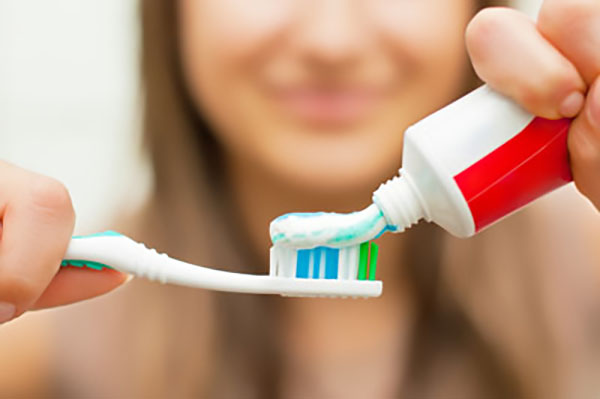
When bacterial plaque is not removed in a timely manner it will turn into tartar, also known as calculus, which is much harder to remove from the teeth. If tartar is allowed to build up on the teeth, it gives bacteria a place to live. And if tartar is not removed promptly, it will then turn into gingivitis, the first of two stages of gum disease. So what is the ideal way to remove the bacteria beneath tartar? Brush correctly using a fluoridated or tartar-control toothpaste within half an hour after eating, floss often and get a professional tooth cleaning at least once a year.
Need to make a dental appointment?
Need to make an appointment so you know exactly what your oral hygiene status is? The longer you wait to have your oral health checked by a dental professional, the worse any oral issues you currently have are going to be. It is much easier to treat new oral issues than it is for any issues that have been ongoing. We have a fantastic and caring team of dental professionals who can answer any of your oral hygiene questions, so please do not hesitate to contact us if you have a question you need answered. Talk to one of our dental health professionals today.
Are you looking for oral hygiene information in the Kennewick area? Get more oral hygiene information at https://www.gledhilldental.com.
Request an appointment here: https://www.gledhilldental.com or call Gledhill Dental at (509) 800-8410 for an appointment in our Kennewick office.
Check out what others are saying about our services on Yelp: Read our Yelp reviews.
Related Posts
Denture care is essential for dental health. How often do you think about your dentures? There's a good chance it's not as often as you should. Your dentures are part of your mouth and one of the most important parts because they can impact how your smile looks and feels.Denture care is vital for dental…
Dentures are one of the leading tooth replacement options. The process of getting them from consultation to final fitting may look a little different for everyone, depending on factors like the type of denture the patient chooses and any preparation needed. If you are considering dentures, this process overview will give you a general idea…
Denture care is the maintenance of dentures with respect to proper denture placement and denture hygiene. Good denture care and placement involves both denture security on your part but also ensuring that dentures fit correctly in your mouth so that they don't cause any physical obstruction when it comes to eating or speaking. When removing…
Dental professionals aim to preserve the natural tooth structure. Composite fillings, crowns, inlays, and onlays are popular and effective solutions for restoring the function and protection of damaged or decayed teeth while preserving a natural look. Knowing each option's role in preservation can help patients understand the dentist's thought process when curating a treatment plan.Preserving…