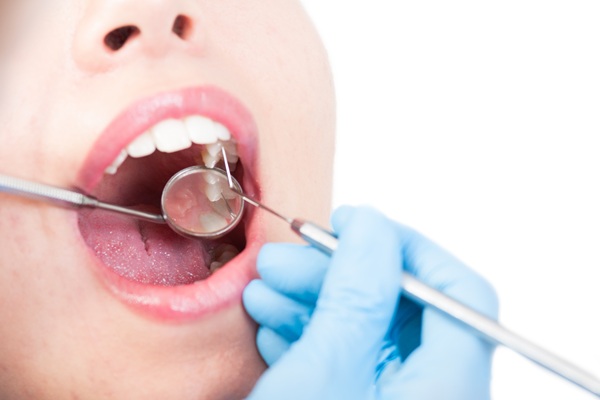
 Just about every patient who visits a dental practice will leave with a few tips about oral hygiene. Dental professionals can be a valuable resource for how to keep the mouth healthy and can talk at length about oral hygiene. Here are four things a dentist may want you to know about how to care for the mouth.
Four healthy habits to incorporate
While tooth brushing before bed is a good start, there are other habits to form that can encourage oral health.
1. Do not rinse right away
Most people tend to use toothpaste in a similar manner to soap. After applying the toothpaste and lathering up, water is used to rinse out the residue. The truth is, toothpaste can be more effective when allowed to remain on the teeth. It is a topical agent and useful for more than scrubbing away food particles. The ingredients in toothpaste can get rid of harmful bacteria, and leaving it on the teeth longer can give it more time to work. After brushing, spit out the foam, but refrain from rinsing for 30 minutes for maximum results.
2. Take a good look when brushing
Not all tooth issues cause pain until the problem is serious. There can be visible signs of tooth decay before any pain is felt, and picking up on these indicators can allow a dentist to prevent further damage to the tooth. The following are warning signs to look for when brushing:
- Brown spots
- Spots that look dull or soft
- Pits or indents
- Gum recession
Any of these can indicate tooth decay and should result in a visit to the dentist.
3. Do not ignore pain
In many cases, people do not visit a dental practice until they experience severe pain. This can result in extensive, costly repairs. By alerting a dental professional at the first hint of pain, the procedures required to fix the issue can be minor. Even if the sensation is closer to discomfort or heightened sensitivity than actual pain, it can still be worth mentioning. After all, sensations are the body's way of pointing out problems or irregularities.
4. Floss daily
Sporadic flossing can actually be harmful to the gums. Those who only floss once a week or when there is a piece of popcorn lodged in the teeth are at a higher risk of gum disease. When teeth are not flossed daily, plaque, tartar and bacteria can build up around the gum line and cause infection, irritation and swelling. Flossing irritated gums every so often can only irritate them more and make the problem worse.
Check out what others are saying about our dental services on Yelp: Dental Practice in Kennewick, WA.
Conclusion
Proper oral hygiene is essential for a healthy mouth. Daily brushing and flossing using the correct technique can not only keep the mouth clean but also increase awareness of any changes. Paying attention to the appearance of and sensations in the teeth can allow potential issues to be addressed by a dental practice before further damage is done.
Request an appointment or call Gledhill Dental at 509-800-8410 for an appointment in our Kennewick office.
Related Posts
Dental professionals aim to preserve the natural tooth structure. Composite fillings, crowns, inlays, and onlays are popular and effective solutions for restoring the function and protection of damaged or decayed teeth while preserving a natural look. Knowing each option's role in preservation can help patients understand the dentist's thought process when curating a treatment plan.Preserving…
When you don't provide the proper denture care for your dentures, you can get a bad case of denture odor. Odors are not only unpleasant to you but also unpleasant for those around you. It may have an effect on your eating habits and oral health as well. It's not unusual for dentures to start…
Dentures are a viable replacement option if you are missing one or multiple teeth. If you are looking for a permanent solution, consider implant-supported dentures. These restoratives are a favorite among dental professionals, as they are known for their durability and long-lasting results. However, patients will need to be able to commit to the somewhat…